
Any
One pet name in a multilingual home
Find a shared everyday sound while respecting the languages and people who will use it.
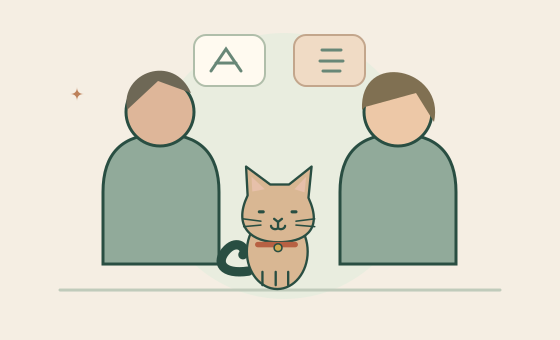
Ask everyone to say it
Invite each regular caregiver to pronounce the shortlist naturally in their own language. Notice differences in rhythm and sounds without treating one accent as a mistake. Choose a shared everyday form that people feel comfortable using. Write a simple pronunciation reminder if helpful, especially for a sitter who only sees the name written down.
Check meaning carefully
If a name comes from a language you do not know, verify its spelling and use with a reliable language source or a knowledgeable speaker. A word can have several meanings depending on context. When you cannot confirm an origin, describe it as an inspiration instead of inventing a translation. Also check whether the sound resembles a household cue.
Keep records clear
Choose one spelling for identification records and note any alternative script privately where useful. Different writing systems can represent a similar sound without looking alike. Agree on which everyday form visitors should use and introduce extra nicknames gradually. A shared name does not require everyone to abandon their accent; the goal is comfortable, consistent communication around the animal.



Comments (0)
No comments yet.
Log in to comment.